-
 Women Leading Change in Africa Project
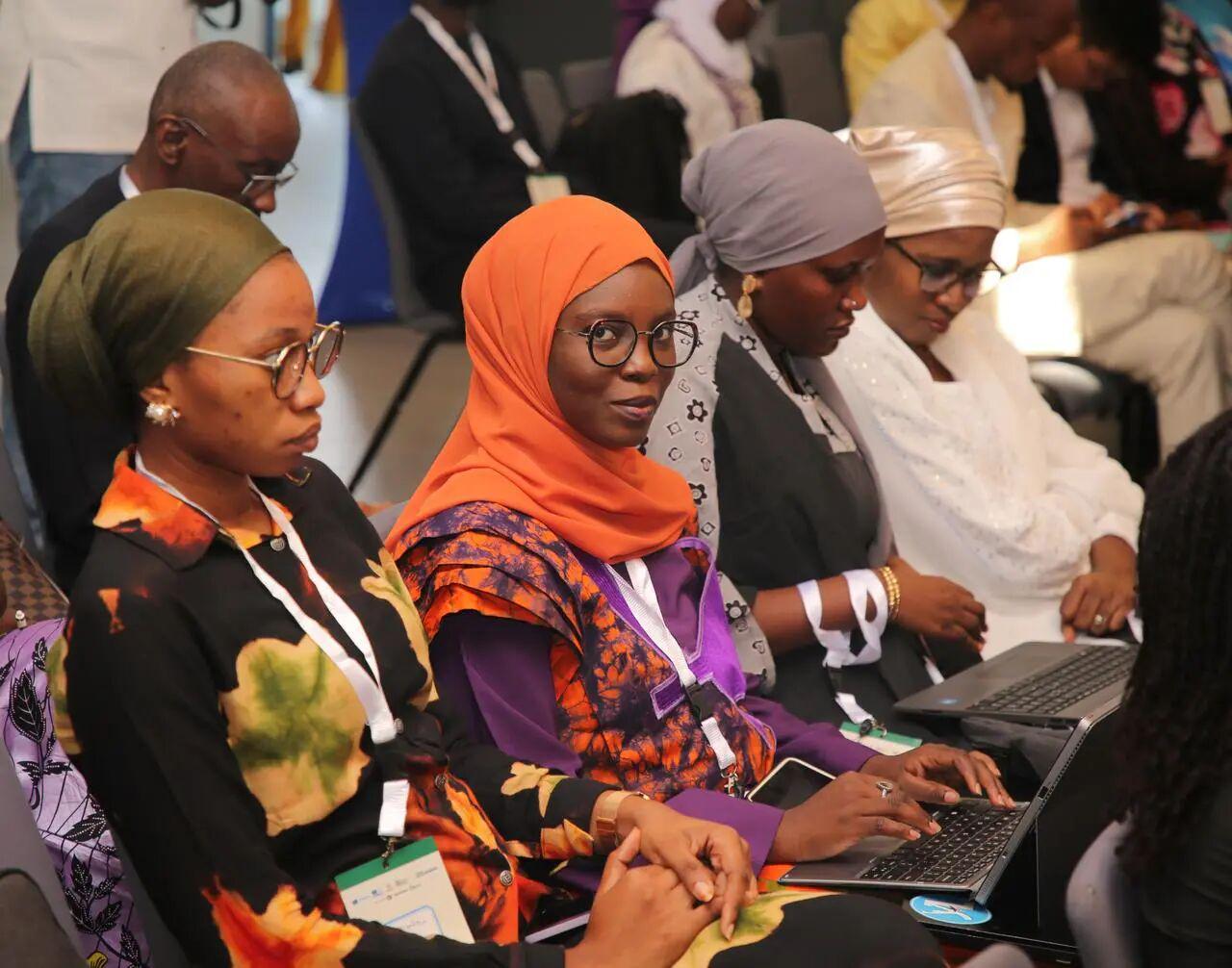
The project Women Leading Change in Africa: Future Higher Education Professionals and Leadership in the Intelligence Era was jointly initiated by UNESCO-ICHEI and the UNESCO Institute for Information Technologies in Education (UNESCO IITE) at the the High-Level Policy Dialogue in Africa. The project serves professionals across Africa's higher education systems, with particular emphasis on women educators, researchers, administrators, learning-support staff and university leaders, and aims to strengthen the professional competencies and leadership of women in the higher education workforce.
The project is designed to cover at least ten African countries. It is currently being implemented in eight — Côte d'Ivoire, Egypt, Ethiopia, Ghana, Morocco, Nigeria, Uganda and Zambia — and is expected to extend to partner institutions in further countries.
-
 【Egypt】
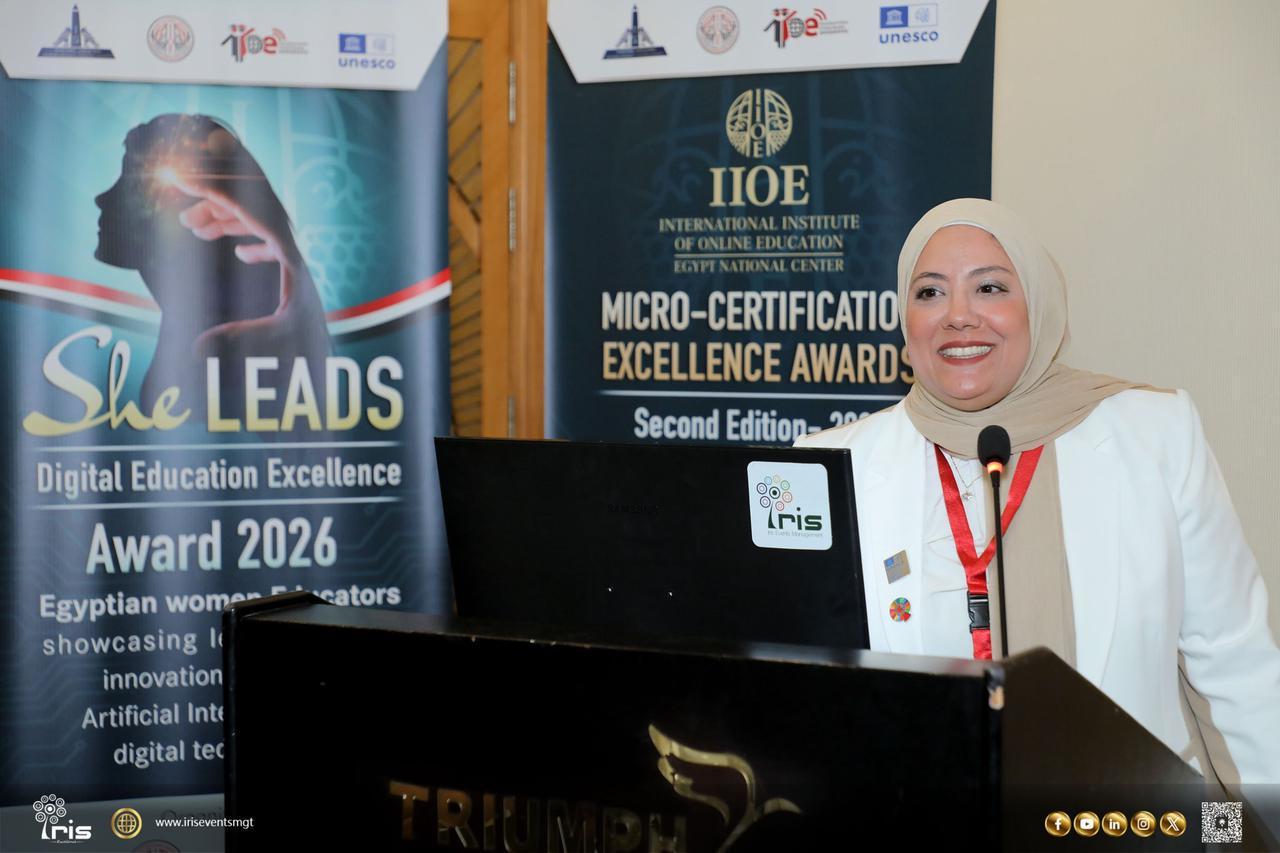
Through sustainable operations, the IIOE Egypt National Centre has integrated AI capacity-building into faculty professional development systems and established a dedicated award to encourage women educators to lead change. Through its nationwide network of 25 partner institutions, more than 4,000 teaching personnel in Egypt had enrolled in Micro-certification programmes through the IIOE platform as of early 2026. Among participants who earned certification, women accounted for 66%. In 2026, the IIOE Egypt National Centre launched the "She Leads: Digital Education Excellence Award" for women working in teaching, research and professional support roles at higher education institutions across the country. The award identifies and showcases innovative practices already being led by women who use AI and digital tools to advance teaching and research. By establishing a national award dedicated to women higher education professionals, the initiative enables their achievements to gain wider professional recognition.
-
 【Nigeria】
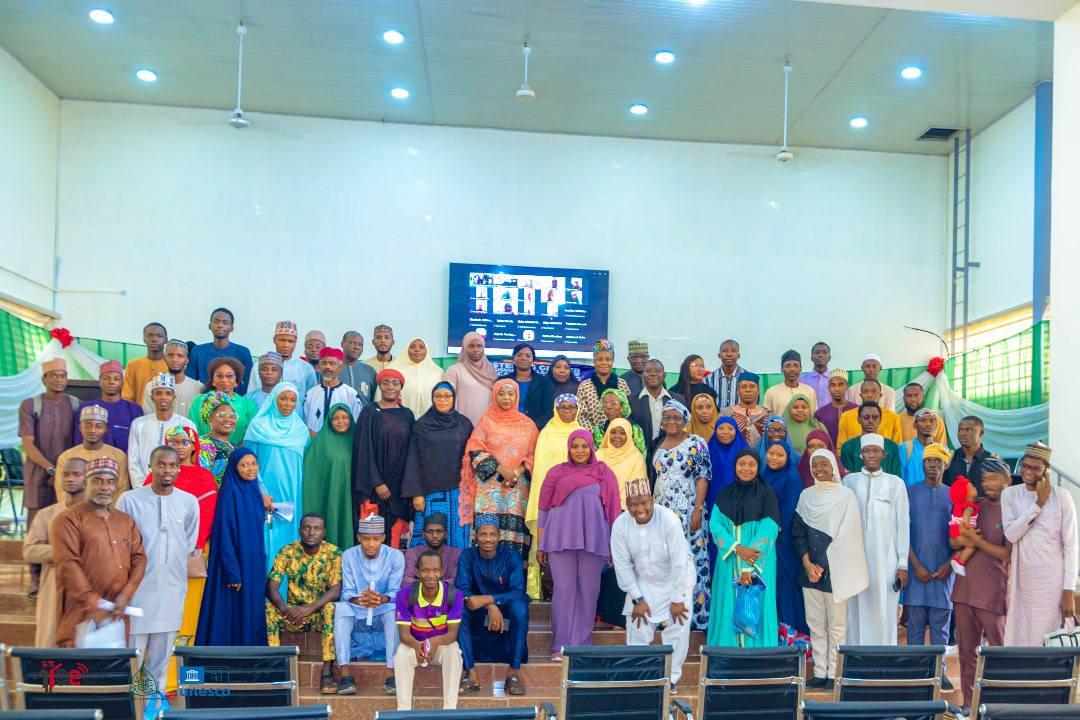
Through women-led programme delivery and learning-community building, the IIOE Nigeria National Centre strengthens women educators' confidence in using AI. At the IIOE Nigeria National Centre hosted by Ahmadu Bello University, the project is coordinated by a team of women academics and professionals. The project has reached 2,338 participants, including 1,108 women. A dedicated WhatsApp learning community provides mentoring and peer support to sustain participation and interaction throughout the programme. The impact of the training has since spread across the university, with several senior administrators proactively requesting AI training for their departments.
-
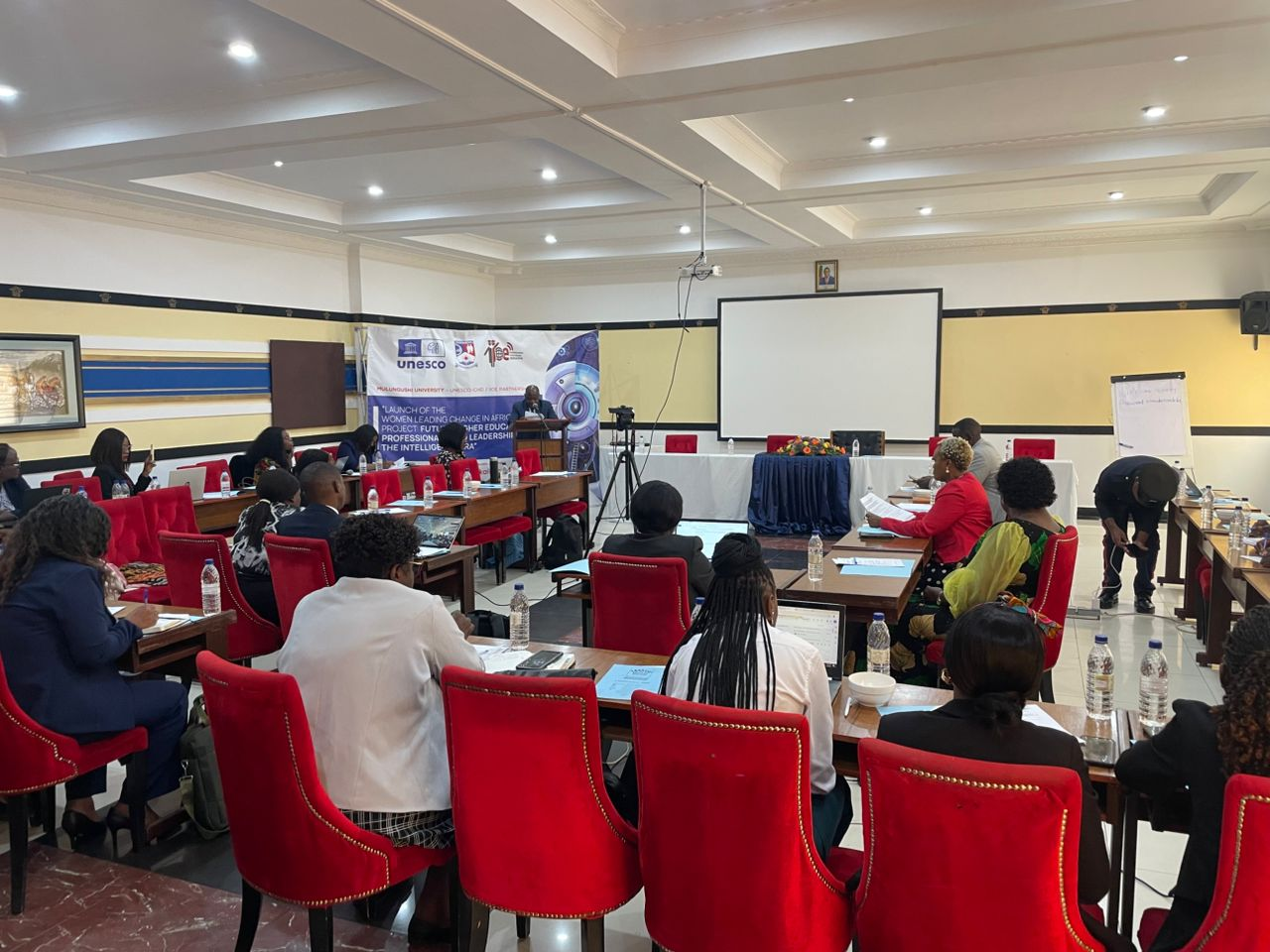 【Zambia】
The IIOE Zambia National Centre has established a cross-institutional local network and secured national-level policy recognition. In May 2025, the IIOE Zambia National Centre at Mulungushi University and UNESCO-ICHEI convened representatives from eight Zambian higher education institutions for AI training, establishing a formal framework for collaboration. In March 2026, the Women Leading Change in Africa project was officially launched at Mulungushi University by Zambia's Minister of Education, who delivered an official address and publicly affirmed the project's alignment with national priorities for higher education reform and gender equality. The initial eight-institution collaboration subsequently expanded into a partnership network connecting 18 universities and colleges in Zambia. To date, the programme has reached 1,653 participants, including 971 women, who account for 58.74% of the total. Mulungushi University also regularly hosts the Women Leading Change in Africa webinar series, which explores practical approaches to strengthening women's leadership in higher education.
-
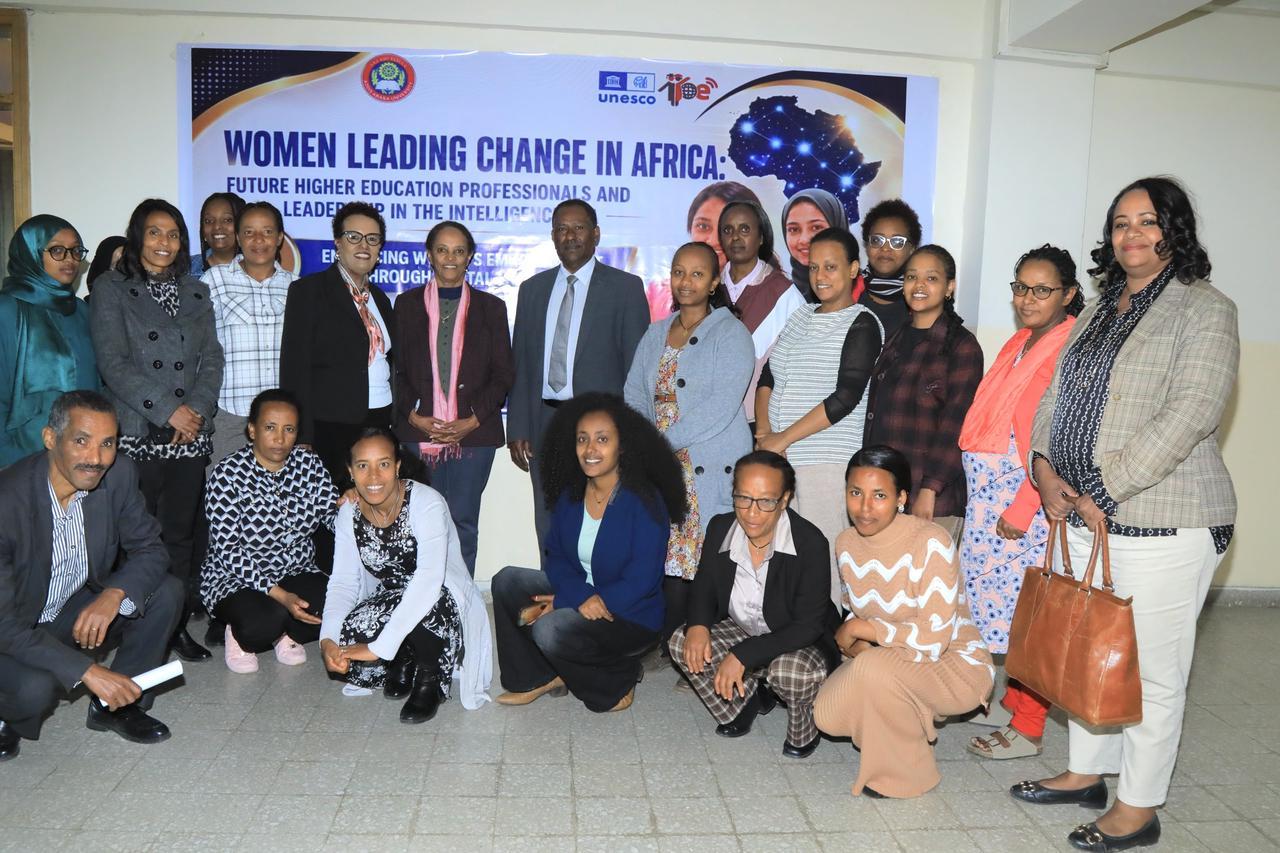 【Ethiopia】
The IIOE Ethiopia National Centre has integrated Micro-certification courses into the continuing professional development system for educators. Based at Addis Ababa University, the IIOE Ethiopia National Centre implements the Women Leading Change in Africa project in collaboration with Hawassa University, Arba Minch University and Wollo University. Through blended training, the programme strengthens women academics' digital competencies and capacity to apply AI. Between February and June 2026, enrolment in the Applications of Artificial Intelligence in Education Micro-certification course increased from 501 to 1,039, while the proportion of women participants rose from 9.98% to 21.37%. Eighteen Micro-certification courses are now available through the university's internal training website, and the university has formally incorporated these courses into its continuing professional development system for educators.
-
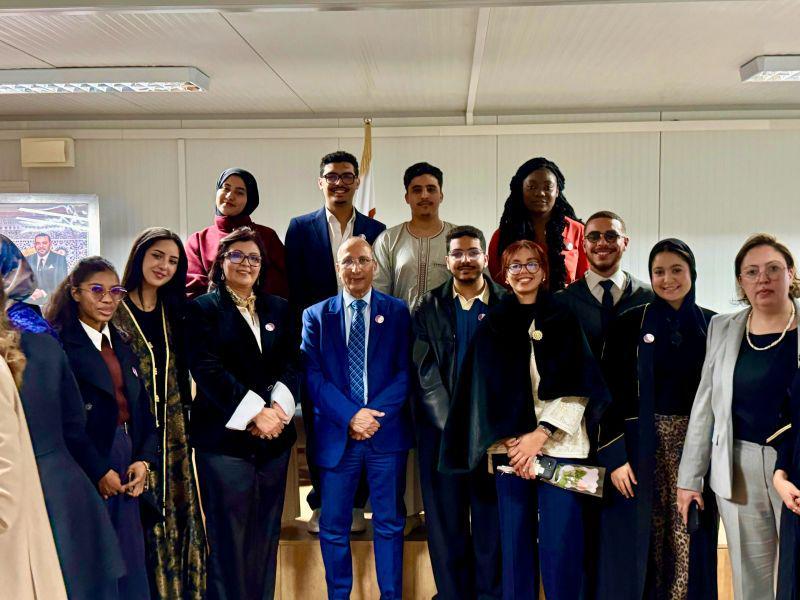 【Morocco】
Through extensive localisation and multi-stakeholder co-creation, the IIOE Morocco National Centre has strengthened the project's nationwide reach. Cadi Ayyad University (UCA) and UNESCO-ICHEI jointly developed the local platform for the IIOE Morocco National Centre (iioe.uca.ma), integrating IIOE courses with learning content tailored to local needs and developing dedicated French-language courses. The National Centre has also organised the W4I: Women for Impact workshop and is progressively building a cross-sector partnership ecosystem that includes Morocco's National Agency for the Promotion of Employment and Skills (ANAPEC) and the Association of Women Entrepreneurs of Morocco. These partnerships connect capacity-building initiatives with broader social and economic needs.